Central Centrifugal Cicatricial Alopecia (CCCA) is a scarring form of hair loss. Because this condition involves the permanent replacement of hair follicles with scar tissue, a dual approach involving both medical intervention and long-term aesthetic management is essential.
This condition is not well known among GPs at the moment, but hopefully this situation will change as awareness increases about the condition. The clinic director has written an article for the Primary Care Dermatology Society about this condition to help educate GPs.
The Importance of Dermatological Referral
Because CCCA is a complex inflammatory condition, clients are strongly advised to seek a referral to a Consultant Dermatologist. A dermatologist provides essential medical services that fall outside the scope of aesthetic practice, including:
Diagnostic Biopsies: Necessary in cases of clinical uncertainty to confirm the presence of scarring.
Potent Medical Interventions: Access to high-potency prescriptions and clinical treatments required to arrest active inflammation.
Clinical Oversight: Ensuring the underlying disease activity is under control.
The role of this clinic: Personalized long term support
While a dermatologist focuses on the acute medical diagnosis, this clinic fills the vital gap in long-term, personalized care. The reality of both NHS and private dermatological consultations is that time is often strictly limited. We offer an alternative approach characterized by:
Extended Consultations: Significantly more time is taken than is typically available in a standard dermatological appointment to understand your history, concerns, and goals.
Managing Co-existing Conditions: It is common for CCCA to present alongside other forms of hair loss (such as Telogen Effluvium or female pattern hair loss). A comprehensive plan is created for you that addresses the “whole scalp.”
Aesthetic Continuity: This clinic provides the ongoing “follicular rescue” and cosmetic procedures needed to support your hair’s appearance between medical reviews with your dermatologist
Follow up TrichoLab imaging: To assess your progress using objective methods
Hair Care Advice: A detailed understanding of the hair care needs
What is CCCA?
This is a form of permanent hair loss which is more commonly seen in black women. It is thought to affect 1 in 20 women of African descent.
This condition can also rarely be found in men and people with other hair types. Women in their middle years are most commonly affected.
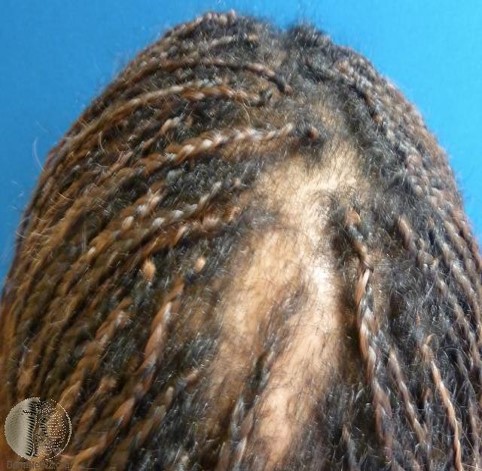
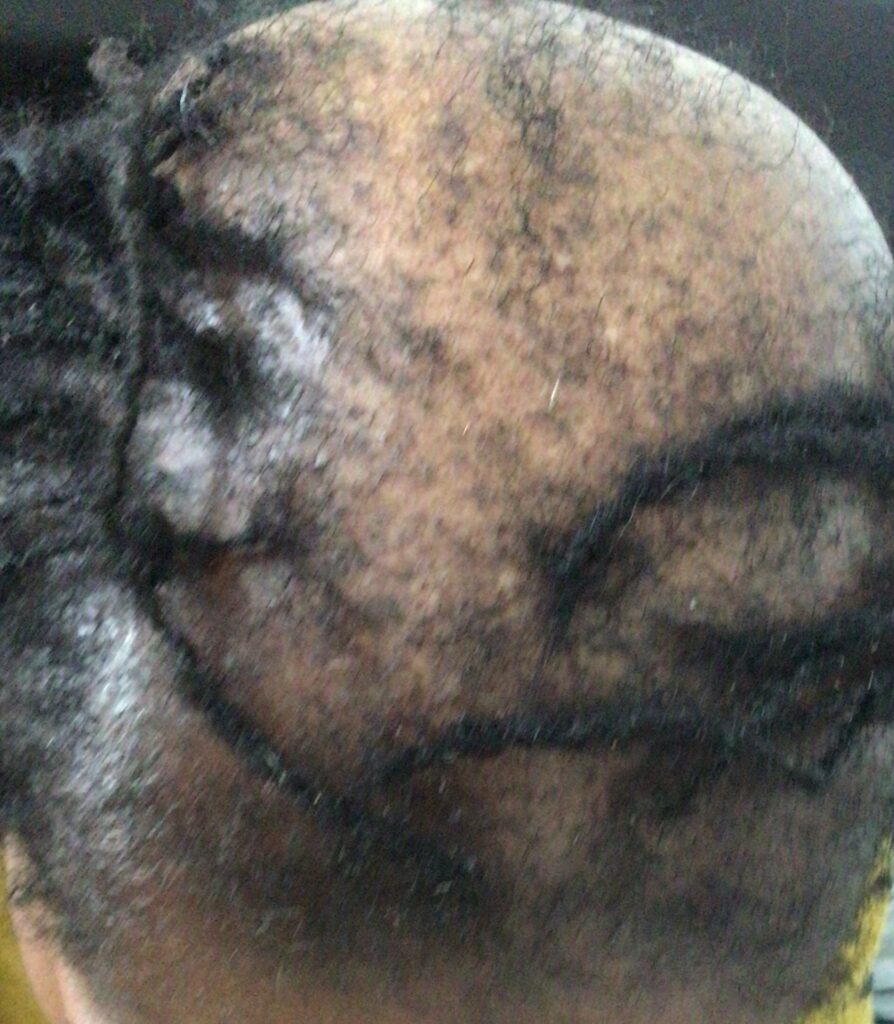
Hair loss is seen typically at the top of the head, and the hair loss spreads outwards across the top of the scalp. The scalp may appear shiny. While some people don’t have symptoms, tenderness, itch and burning are common.
Hair breakage may also be an early sign seen.
This is a cosmetically significant condition for black women, and it is really important to take action quickly.
It can also affect men who may incorrectly seek a hair transplant thinking that they have male pattern hair loss. The risk factors appear to be slightly different.
Can it progress?
Yes.
Without appropriate action the hair loss will be progressive and gradually extend over a period of years, leading to the absence of hair on the crown which can be extensive.
It is very important to take action early.
There are no national guidelines on the management of CCCA in the UK, but it is important that the care is overseen by a dermatologist with expertise in hair loss. In the NHS cosmetic treatments are not offered, so this clinic complements what is available.
It is important to understand that results are not guaranteed and the recommendations made are based on scientific principles, the experience of this clinic and the experiences that others working in the field internationally have shared.
What causes CCCA?
This condition can run in families and a variant gene PADI3 has been implicated in its cause. Hair care practices have been associated with the condition. It has been seen in children
Most of the recent advances in treatment have come from Dermatologists in the United States of America and South Africa. The evidence base is constantly being updated so this clinic encourages clients to use the opportunity of the first follow up appointment within one month and a further follow up appointment 6-12 months after the initial consultation as there may be updates on management of the condition.
How is the condition identified?
The diagnosis can be made by the characteristic appearance, but it can sometimes appear with a different pattern of hair loss.
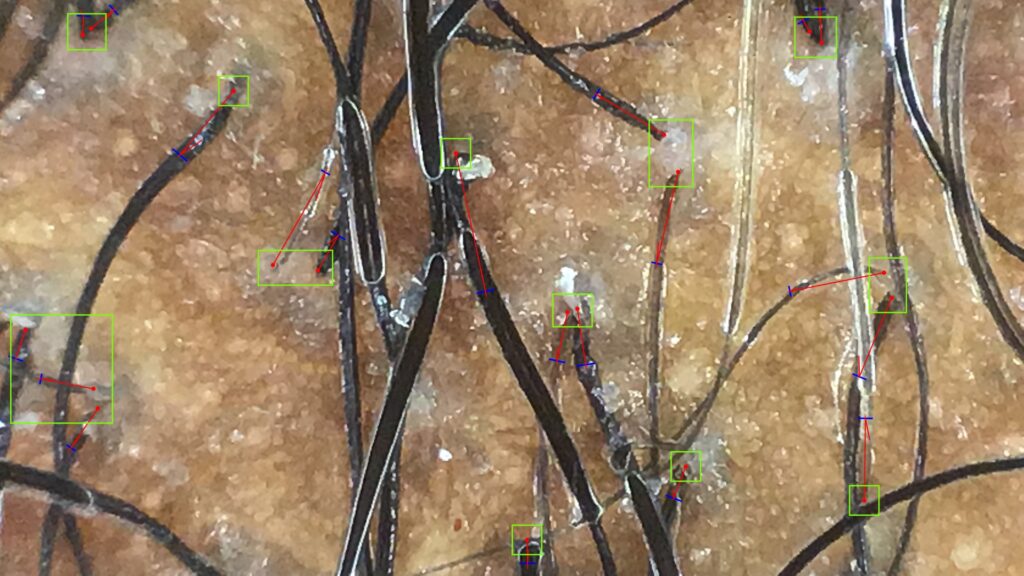
This clinic has identified very early stage CCCA by using TrichoLab imaging which was later confirmed by a scalp biopsy. The image below shows the characteristic findings.
This has meant that this lady has been able to take appropriate measures to help to slow down the rate of hair loss, and her follow up TrichoLab actually showed improved hair parameters.
The definitive way to diagnose it is with a biopsy – which is where a small sample of the skin of the scalp is removed and examined under the microscope. This should ideally be done by a dermatologist with expertise in managing hair loss. Waiting times for this procedure in the NHS can be lengthy, and so if you have a diagnostic hair loss consultation, you will be given detail on what you could ask your GP to prescribe.
Commitment to "Follicular Rescue"
The management of CCCA is a constantly evolving area of science. Our services are strictly for adults over the age of 18 and are rooted in current scientific principles.
Please Note: Because CCCA involves scarring, the primary objective is to slow the progression of the condition and protect viable follicles. As with all hair loss procedures, individual results are not guaranteed, and early intervention is the most significant factor in success.
Why a Integrated Approach Works
Medical Dermatology
This Aesthetic Clinic
Focus on diagnosis and biopsy.
Focus on long-term scalp health and aesthetics.
Prescription of potent medications.
Extended time and personalized “Follicular Rescue” plans.
Periodic clinical reviews.
Ongoing support for co-existing hair loss conditions.
Could Exosome treatment be helpful?
Dermaceuticals EXO-GROW product display
It is not known for certain although anecdotal evidence from other clinics in the UK and USA is promising.
The Derma Pen Exo-Grow product range for hair can be used in early scarring alopecia. However results are not guaranteed, and the experience is based on using the Dermapen microneedling devices. These battery powered devices use a similar principle of automated microneedling to the mains powered Dermaroller XCellaris Pro Twist device used by this clinic.
Can Platelet Rich Plasma be helpful?
A few years ago evidence began to emerge from the USA about the potential use of Platelet Rich Plasma. This seems to give initial benefit, but unfortunately , in the long term benefits may not be sustained.
Could polynucleotide treatment be helpful?
As an adjunctive modaility, this could also be helpful as polynucleotides act as a primer for other hair loss treatments and also help with inflammation.
Unfortunately there is no specific published research on this yet. So far the experience at this clinic has been that it seems to get results with traction alopecia which often co-exists with CCCA
What about low level laser light therapy for CCCA?
Discount code CREW50
Dermatologists with expertise in hair loss in the US seem to include this as a recommendation. However the licensed/intended use is for male and female pattern hair loss which can co-exist with CCCA.
There do not appear to be any published studies on this, and unfortunately the main brands of this treatment have not included people with darker skins in their studies to a level that they are able to guarantee results in the same way as those with lighter skins. This treatment may not be suitable for everyone, so please check for contraindications before purchasing
How should I look after my scalp?
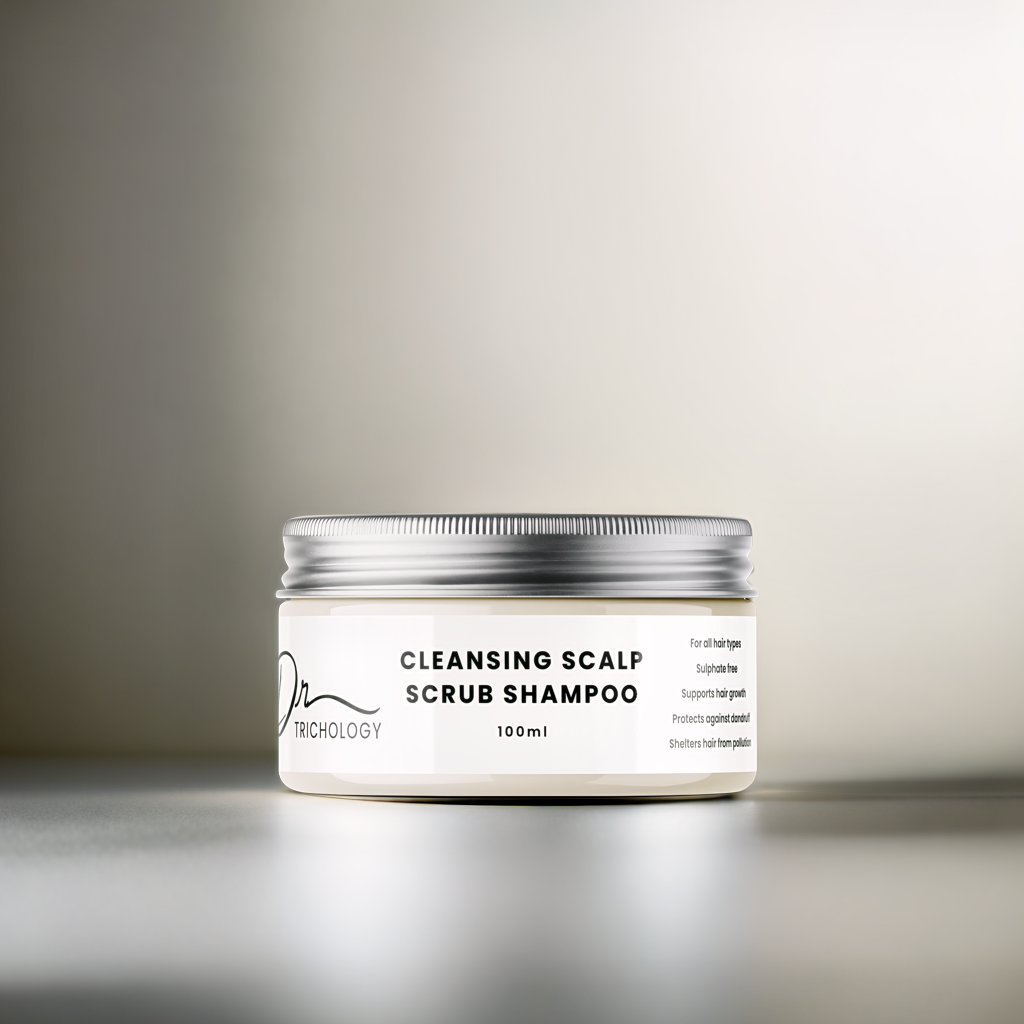
Cleansing scalp scrub shampoo
This condition tends to affect people with afro-textured hair. The ideal scalp cleansing frequency is once a week. People with straighter hair should wash their hair/cleanse their scalp more often.
Again, research is limited but seems to suggest that medicated shampoos can be helpful.
Some clients have found that the scalp scrub shampoo has been helpful in maintaining a healthy hair care regime. This product is suitable for all hair types for optimising scalp health, supporting hair growth, protecting hair against dandruff and sheltering hair from pollution.
There is also emerging evidence that Gashee can be helpful
What about cosmetic camouflage?
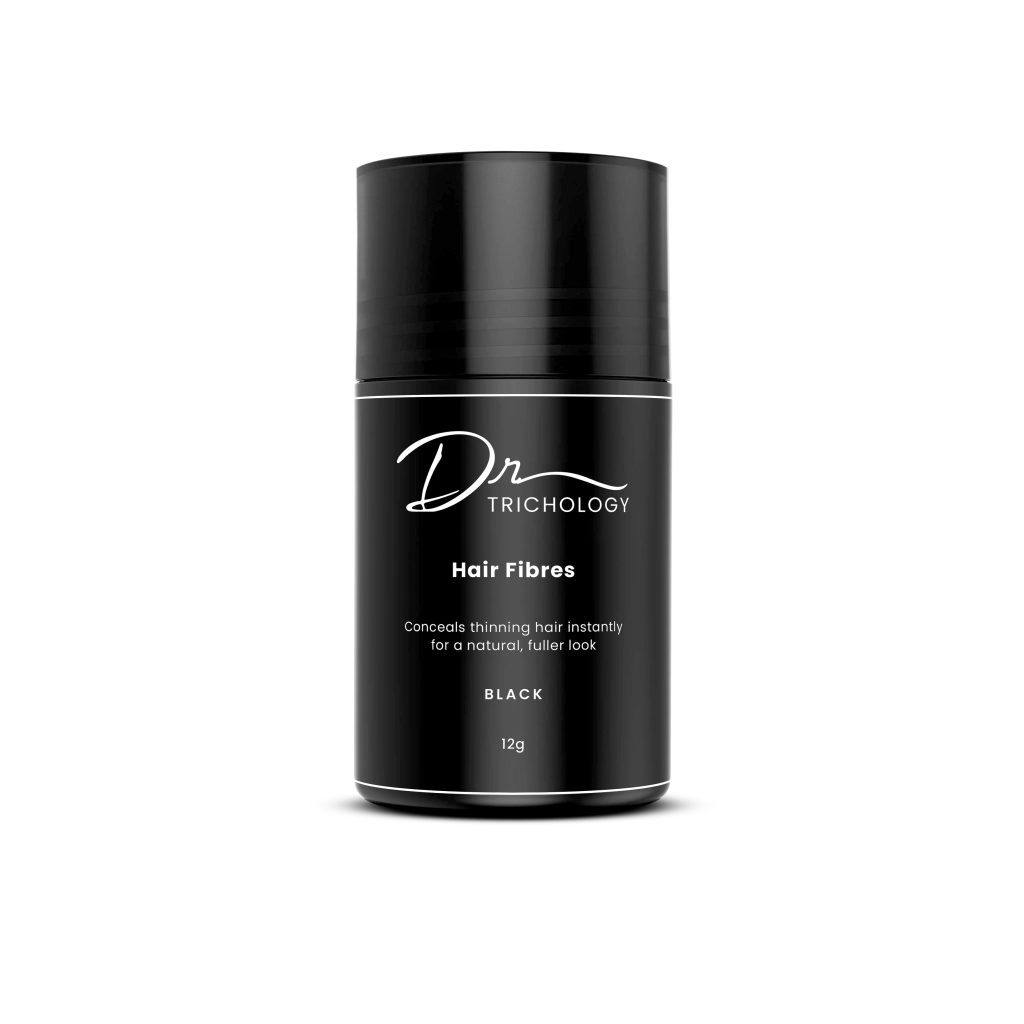
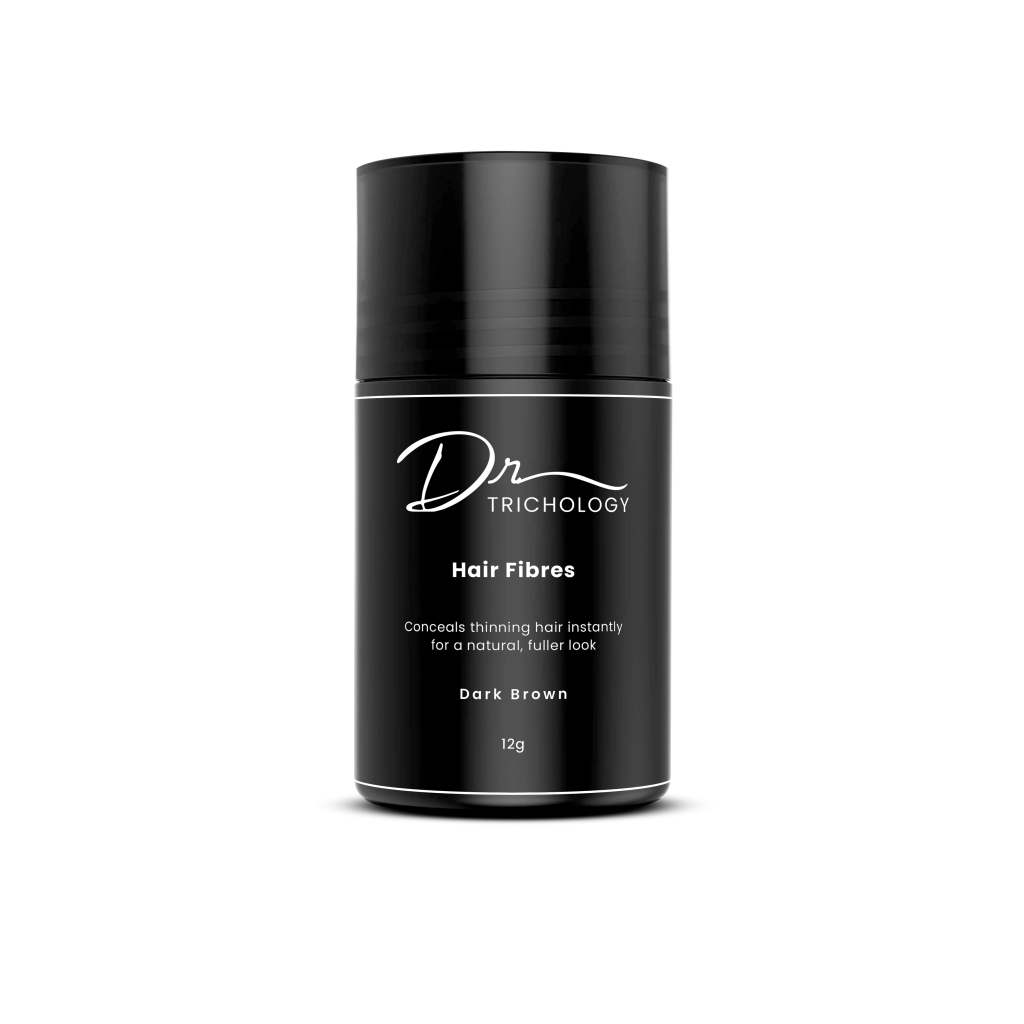
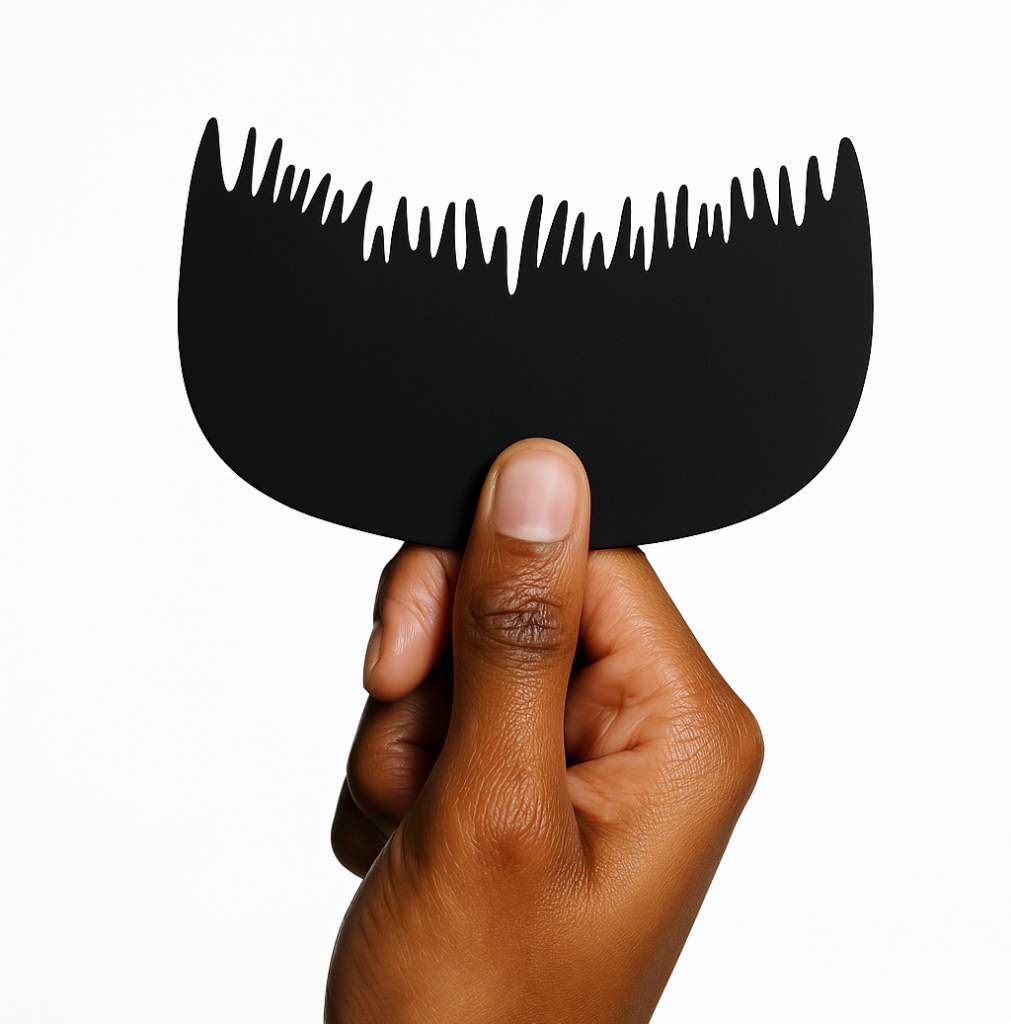
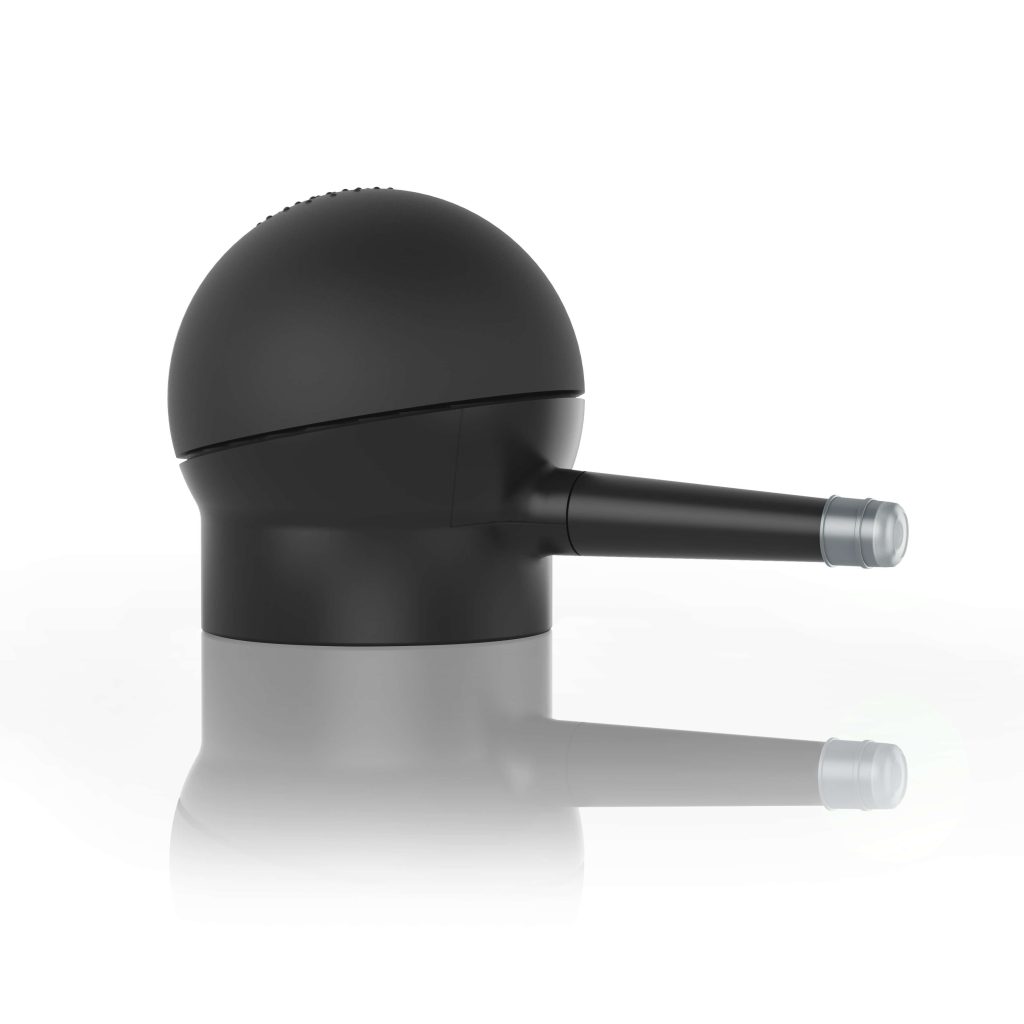
Electrostatic hair fibres are statically charged to bond to your existing hair, making your hair look naturally thicker and fuller. Please click on the images below to learn more. Other colours (Grey, blonde, auburn are also available as MS Hair fibres)
This clinic recommends headwear from the Christine Headwearrange. This headwear is specifically designed for women with alopecia (hair loss) to be comfortable.
The use of natural materials, such as cotton, linen and silk materials with light airy designs and super soft fabrics. Please click on the images below if you would like to buy.
Click here to find out more about CCCA in an article on the website of The Trichological Society
Newsletter
Signup for news and special offers!
Thank you!
You have successfully joined our subscriber list.
Crewe Hair and Skin Clinic
110 Nantwich Road
Crewe, Cheshire, CW2 6AT
Company Number 1089 4687