What are skin tags?
Skin tags (technically known as acrochordon) are common, non-cancerous growths that can vary significantly in size, shape, and how they attach to the body. While they are not a direct threat to your health, they can often be a source of physical discomfort or self-consciousness. Because they are considered a cosmetic concern, removal is no longer readily available on the NHS.
Why Do They Form?
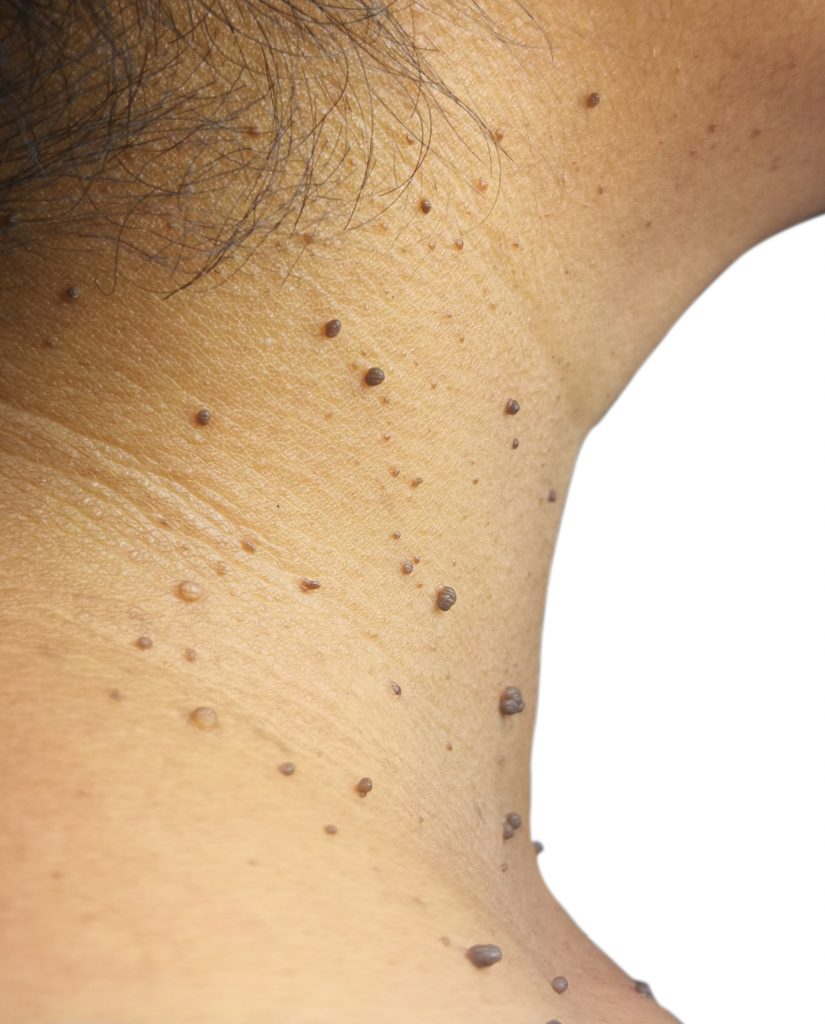
Skin tags are primarily composed of a core of fibrous tissue and loose collagen. They typically develop in areas where skin frequently rubs against itself or where clothing creates constant friction. Common “friction zones” include:
The Body: Underarms (armpits), the groin area, under bra straps, or around shirt collars.
The Face: They are frequently found around the delicate eye area, including the eyelids and within the natural creases of the eye.
Natural Creases: Any area where the skin forms folds is more susceptible to these growths.
Who Is Affected?
It is estimated that they affect approximately 45% of the adult population. While they can appear at any age, they are much more likely to be found as we get older and our skin’s structural composition begins to change. This is why it is worth considering regenerative aesthetic treatments alongside skin tag removal.
Identifying a Skin Tag
Visually, skin tags appear as raised growths that often seem to “hang” off the skin’s surface by a small stalk. Because they can look similar to other skin lesions, a professional assessment is vital. At this clinic, if there is any doubt about whether your skin lesion is a skin tag, you will be asked to see your GP before proceeding with reducing or removing the skin tag.
Hairs do not grow through skin tags, but they do with moles which are not treated at this clinic.
How can skin tags be reduced/removed?
Thermolysis and Short Wave diathermy is used for the highly precise and effective removal of skin tags.
This method involves passing an alternating, high frequency current down a specialized, ultra-fine needle which is either in direct contact of the epidermis of the skin, or pierced through the epidermis in the the next layer down of the skin (dermis). This high frequency, electromagnetic field effectively stimulate the salts and water molecules of the tissue, which vibrate, creating friction to produce a thermal (heat) reaction. The manner in which the tissue is destroyed depends on the frequency, and the consequential degree of heat produced. Diathermy acts to destroy the tissue by electro-coagulation, electro-cautery or electro-desiccation. The way the needle is used will depend on the size of the blemish.
For smaller skin tags, an immediate result is expected. For medium to larger size tags, the tag will slough off once the skin has healed. For the largest size skin tags a scab will form and slough off once healed.
Who can't have electrolysis?
Conditions that may prevent treatment include: haemophilia, heart disorders, pacemakers, cochlear implant, contagious diseases and disorders, Hepatitis B, HIV, cancer or epilepsy.
Conditions that may restrict treatment: steroid drugs, endocrine disorders, metal plates and pins, cardiovascular disorders, loss of tactile sensation in localised areas, skin disorders and diseases, nickel allergy, hairy moles, pregnancy, drugs/alcohol, cuts/abrasions/bruising, emotional problems, dermagraphic skin condition, microdermabrasion or dermabrasion, chemical peels, latex allergy (wear vinyl gloves), certain medications or creams (e.g. Ro-accutane, Retin A, retinol), breast implants (contra-indication to underarm treatment), epilepsy, diabetes, psoriasis, eczema, acne, dermabrasion on the areas to be treated.
What happens after the procedure?
After the procedure, a chilled aloe vera or witch hazel compress will be applied to help reduce any redness of the skin. This will be left on for 5 to 10 minutes. The length of time the cooling pad is left on will depend on the degree of redness and heat.
After removal of the gel Sterex drying powder may be applied. This should just be left dry and the healing crust should not be knocked off. The crust should slough off naturally in 5 to 7 days.
You will be sent home with at least one aftercare product.
How will my skin feel after the treatment?
Immediately after treatment you are likely to experience
• Slight redness and swelling of skin in the area
• Warmth in the area that has been treated
• The skin may feel itchy as the healing process takes place
• A scab will form.
It can take several weeks after the initial scab sloughs off before the fading and equalisation of colour is complete and the final results are apparent. An exact match to the surrounding skin can never be guaranteed
What should I do in the weeks after the treatment?
In the weeks after the treatment please ensure the following:
• Do not touch the treated area and do not, under any circumstances remove the scabs which will appear.
• Apply the aftercare product [witch hazel gel] for 24 to 48 hours as often as required. You can use sterile Aloe vera gel after this also.
• The treatment area can be washed or cleansed using a gentle perfume free cleanser after 48 hours. The ZO skin health hydrating cleanser would be suitable. Gently pat the area dry, taking care not to dislodge any scabbing
• Keep out of UV light as much as possible and cover up with a hat or parasol depending on the weather
• Regular and continued use of a suitable high factor sun protector is advised on exposed areas following healing.
• Avoid swimming, Saunas, steam rooms, facial steaming, facial scrubs, waxing and other beauty treatments in the area treated until the area has completely healed.
• Avoid using any possible skin sensitizers or irritants such as perfumes, fake tan products or perfumed body lotions
Please contact Dr Ingrid Wilson on 01270 747 393 or email info@crewehairandskinclinic.uk if you have any questions following the treatment
Will I need more than 1 treatment?
If you have a large number of lesions it can be difficult to tell whether treatment has been effective. You are advised to book in a follow up appointment in case further tweaks are needed. Generally a 4-6 week period between treatments is advised, but this can be sooner if you have completed healed.Factors such as the following will have an impact on the number of treatments required:
• How many blemishes are present
• How close together they are
• Skin sensitivity
• The condition of the skin
• How well the skin heals
Why the process of skin tag removal begins with a remote consultation
Skin tags and lesions are often more than just surface-level concerns; they are markers of your skin’s overall physiological health. The two-stage screening process is designed with your safety and long-term results in mind:
-
Stage 1: Remote Screening: A preliminary digital assessment to ensure your skin lesion is clinically suitable for removal at this clinic.
-
Stage 2: Clinical Face-to-Face Assessment: An in-depth evaluation wheret the “big picture” of your skin’s health is reviewed. This allows me to recommend a bespoke combination of skincare and regenerative treatments to ensure the best possible outcome.
The Foundation of Recovery: To optimize your healing and long-term skin health, it is required that all clients to be established on 2 or more clinic-approved products (purchased directly from the clinic) before the procedure. Think of this as “pre-operative” care for your skin—ensuring it is resilient, healthy, and ready for a seamless recovery
What skincare pairs well with Skin Tag Removal?
The basis of any good skincare regime is a good cleanser and sunscreen that helps you deal with your skin concern, helps to create healthy skin and protects your skin from sun damage. There is an ongoing offer where purchases direct from the clinic are rewarded with a selected complementary treatment up to a value. There are a wide range of products to choose from at this clinic which support the ‘hero’ product which in the case of skin tags will help with optimising your collagen.
Why Regenerative Treatments pair well with Skin Tag Removal
Skin tags have formed because of loose collagen.
Regenerative treatments help to optimise your collagen which you should think of as the scaffolding for your skin. Once skin tags have been successfully removed, the next priority is ensuring the surrounding skin texture is uniform, smooth, and vibrant. This is where regenerative treatments become invaluable.
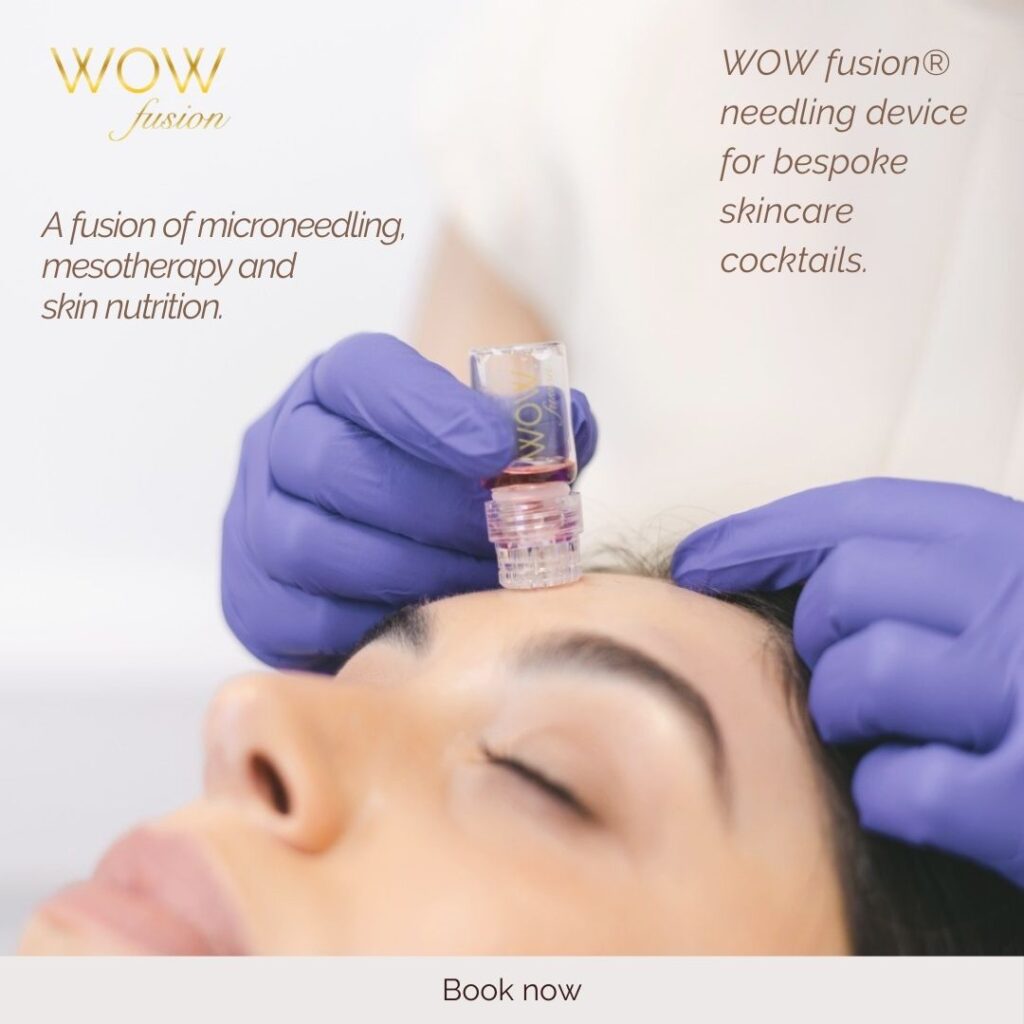
- WOW fusion® . For those looking to combine the benefits of deep skin nutrition with advanced structural repair. This innovative treatment is particularly effective following skin tag removal, as it allows us to “micro-infuse” the skin with a bespoke cocktail of nutrients at the exact moment the tissue is primed for regeneration.
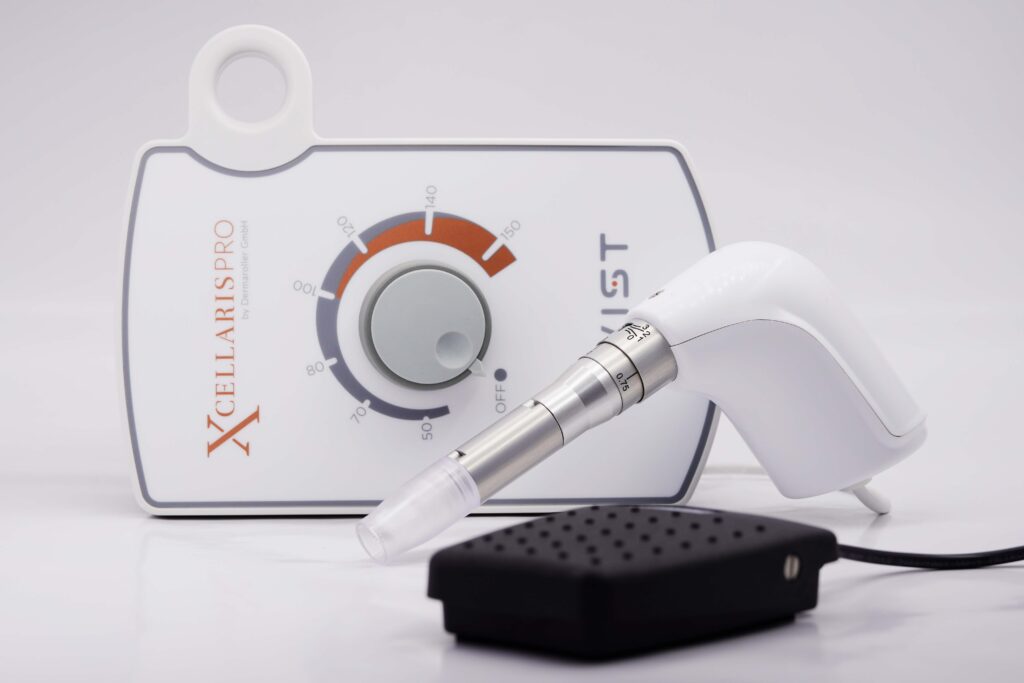
- Automated microneedling with Dermaroller XCellaris pro twist. Excellent for boosting collagen, with a wide range of other uses.
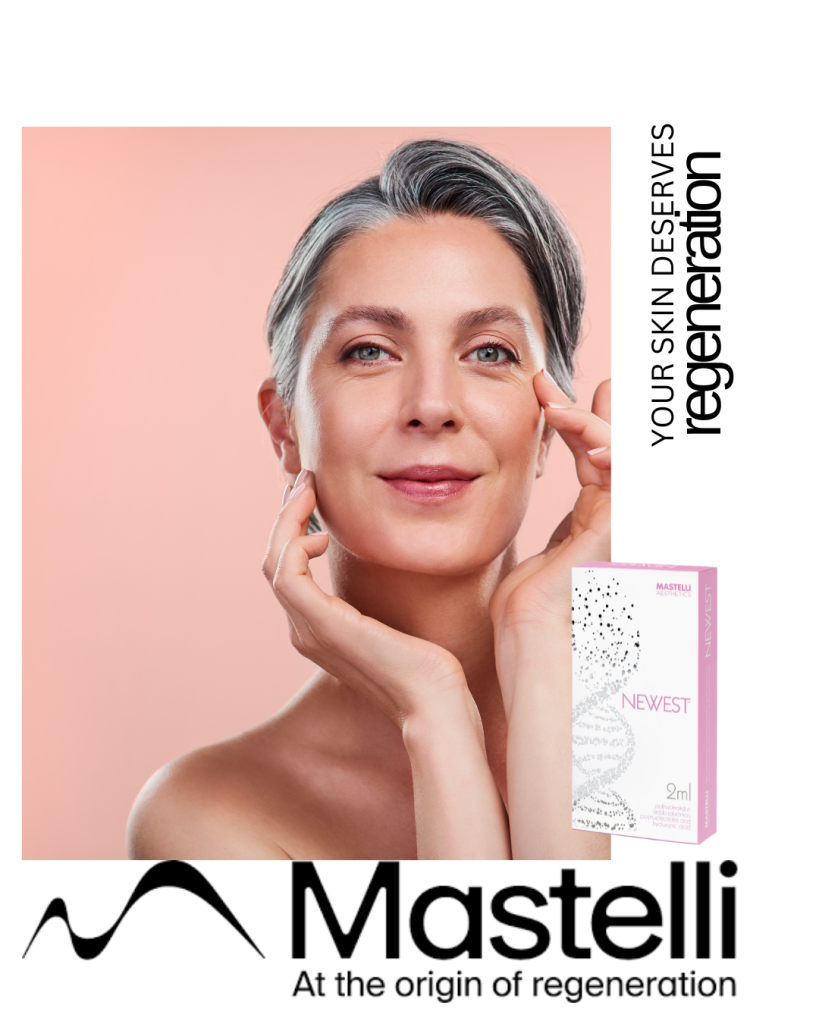
- Polynucleotide injections such as NEWEST. To help your skin cells work better.
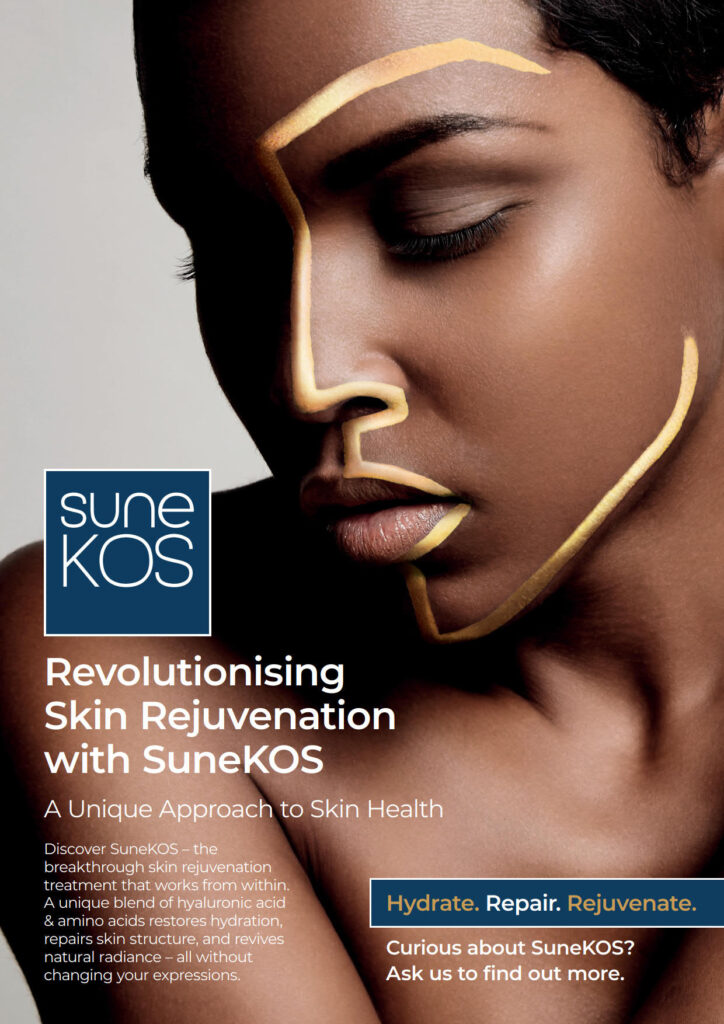
- SunekOS injectable skin booster containing the HY6AA formula, the only proven and patented Hyaluronic Acid and Amino Acid mix to reproduce physiological ratios of collagen and elastin.
Why WOW fusion® is the Ultimate “Finisher”
Unlike standard treatments, WOW fusion® uses a patented device featuring 20 gold-plated, ultra-fine needles. These needles create microscopic channels in the skin while simultaneously delivering a personalized serum directly to the dermal-epidermal junction—where it can do the most good.
Bespoke Collagen Induction: The gentle “stamping” action of the device triggers a natural healing response, stimulating the production of fresh collagen and elastin. This ensures that the area where the skin tag was removed heals with maximum firmness and a smooth, even texture.
Targeted Mesotherapy: We tailor your “WOW cocktail” to your specific skin needs. By infusing hyaluronic acid, multivitamins, and succinic acid, we provide the essential building blocks for healthy tissue growth, effectively “feeding” the skin from the inside out.
The “Glass Skin” Finish: For patients concerned about lingering redness or enlarged pores post-removal, we can incorporate a micro-infusion of botulinum toxin (often called “Micro-tox”). This doesn’t affect muscle movement but works superficially to shrink pores and calm the skin, leaving a flawless, airbrushed finish.
Beyond Removal: A Multi-Indication Powerhouse
The true strength of the Xcellaris Pro Twist lies in its ability to remodel the skin’s architecture. By stimulating a surge in collagen and elastin production, we can target deep-seated structural issues across various areas of the body:
Acne Scarring: For those struggling with the aftermath of acne, the device breaks down old, fibrous scar tissue and encourages the growth of smooth, new skin cells, effectively “filling” indentations from within.
Stretch Marks: By targeting the dermal tear, microneedling helps to thicken the skin and improve the color and texture of stretch marks on the abdomen, thighs, or arms.
Global Rejuvenation: On the face, neck, and décolletage, the Pro Twist acts as a powerful anti-aging treatment. It softens fine lines, tightens lax skin, and minimizes enlarged pores by reinforcing the collagen matrix.
Surgical & Trauma Scars: The precision of the automated “Twist” technology allows us to work safely on various scar types, flattening raised tissue and blending it seamlessly with the surrounding area.
The Science of Hybrid Regeneration
While many boosters offer simple hydration, NEWEST® works at a cellular level to “re-programme” the skin’s healing environment. This makes it a versatile powerhouse for multiple skin concerns:
Intensive Collagen Synthesis: Polynucleotides act as biological signals that “turn on” your fibroblasts, the cells responsible for producing collagen and elastin. This ensures that the area where a skin tag was removed heals with maximum structural integrity and a smooth, firm finish.
DNA Repair & Protection: Beyond simple healing, polynucleotides help repair damaged DNA within the skin cells. This makes NEWEST® an ideal treatment for sun-damaged skin, fine lines, and crepiness on the face, neck, and décolletage.
Deep, Sustained Hydration: The integrated Hyaluronic Acid provides immediate “plumping” and moisture, which helps to blend the removal site seamlessly with the surrounding tissue and improves overall skin glow.
Anti-Inflammatory Support: NEWEST® is highly effective at calming the skin, making it a “gold standard” for reducing redness and promoting rapid recovery in sensitive or reactive areas.
Dermal Biogenesis: The Regenerative Power of Sunekos®
At Crewe Hair and Skin Clinic, we often recommend Sunekos® as a foundational treatment for patients transitioning from skin tag removal to full-face or body rejuvenation. Unlike traditional fillers that simply add artificial volume, Sunekos® is a “biorevitalizer.” It works by providing the specific physiological building blocks your skin needs to heal itself from the inside out, ensuring the removal site is replaced by healthy, resilient tissue.
The Patented Amino Acid Formula
The secret to Sunekos® lies in its unique, patented combination of non-crosslinked Hyaluronic Acid and a specific cluster of six Amino Acids. This precise formula is scientifically proven to stimulate the “Extracellular Matrix” (ECM), the structural home of your skin cells.
Targeted Collagen & Elastin Production: Sunekos® is the only injectable clinically shown to stimulate the production of both collagen and elastin in their natural ratios. This is crucial after skin tag removal, as it prevents the skin from becoming thin or “crepey” at the healing site, ensuring it maintains its natural “snap” and firmness.
Deep Bio-Regeneration: By reactivating the fibroblasts (the skin’s manufacturing cells), Sunekos® encourages “Dermal Biogenesis”—the creation of entirely new dermal tissue. This results in skin that isn’t just repaired, but fundamentally younger in its behavior.
Price of removal of skin tags
Please see the price list for all charges.
Removal/reduction is charged per 15 minute session.