Understanding Those Pesky Skin Lumps (Epidermoid Cysts)
You might know them as skin cysts or sebaceous cysts. These are common, non-cancerous lumps that develop under the skin. They’re like little sacs filled with a soft, cheese-like substance called keratin. If they happen to break open, they can sometimes smell a bit unpleasant.
What are they made of?
These cysts form from the outer layer of your skin and the material inside is similar to what your skin produces. They usually sit in the deeper layers of the skin.
Who gets them?
They’re most common in young to middle-aged adults, typically in their 30s and 40s.
Why do they appear?
Sometimes they pop up when a tiny hair follicle gets blocked. They can also appear after a skin injury or when a hair follicle has been inflamed, which is why you might see them alongside acne.
Important things to know:
- They aren’t contagious, so you can’t catch them from someone else.
- They usually grow slowly.
- They’re quite common.
- They can vary in size, from as small as a pea to several centimetres.
- Sometimes they have a small visible opening on the surface.
- People who get acne or ingrown hairs are more likely to get them.
- They’re usually not passed down through families.
Considering Treatment with Diathermy
Diathermy is a potential treatment for these cysts. However, there are some reasons why this treatment might not be suitable for you. These are called contraindications and include:
- Cochlear implants
- Haemophilia (a bleeding disorder)
- A history of keloid scarring (thick, raised scars)
- Pacemakers
There are also conditions that might mean we need to be extra careful or might restrict diathermy treatment. These are potential indications and include:
- AIDS/HIV
- Asthma
- Bacterial infections
- Cancer
- Circulatory problems
- Recent dermabrasion (we’d need to wait at least a month)
- Certain skin conditions
- Diabetes
- Body dysmorphia
- Emphysema (a lung condition)
- Epilepsy
- Heart conditions
- Hepatitis
- High blood pressure
- Recent laser treatment (we’d need to wait at least two weeks)
- Being under 16 without insurance or parental consent
- Being a nervous client
- Phlebitis or thrombosis (if it’s in the area to be treated)
- Recent scar tissue (if it’s in the area to be treated)
- Rosacea (if it’s in the area to be treated)
- Other skin diseases and disorders
- Sunburned skin (in the area to be treated)
- Swelling or oedema
- Any other conditions we are not insured to treat.
What to Expect During Your Treatment
- The area will be gently cleaned with a sterilising solution and left to dry.
- A fine needle will be inserted into the cyst at a right angle.
- A gentle heat current will be applied to soften the cyst. This will usually be in short bursts. You might feel a mild warmth inside the cyst.
- We will then gently but firmly squeeze the area to try and remove the contents of the cyst.
- This process might need to be repeated, and sometimes it isn’t possible to remove all the contents in one go.
- Immediately after treatment, the area might not look much different.
- Over the following week or so, you should see the size of the cyst reduce. However, further treatments might be needed, and we can’t always guarantee complete removal.
- It’s possible for the cyst to come back after treatment, so it’s important to keep the area very clean.
Looking After Your Skin After Treatment
- It’s normal for some of the cyst’s contents to come out as the area heals.
- Do not touch the treated area and absolutely do not pick at any scabs that form.
- Apply the recommended aftercare products regularly with clean cotton wool until the area is fully healed.
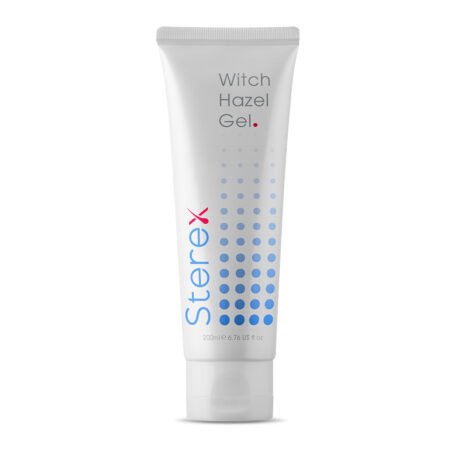
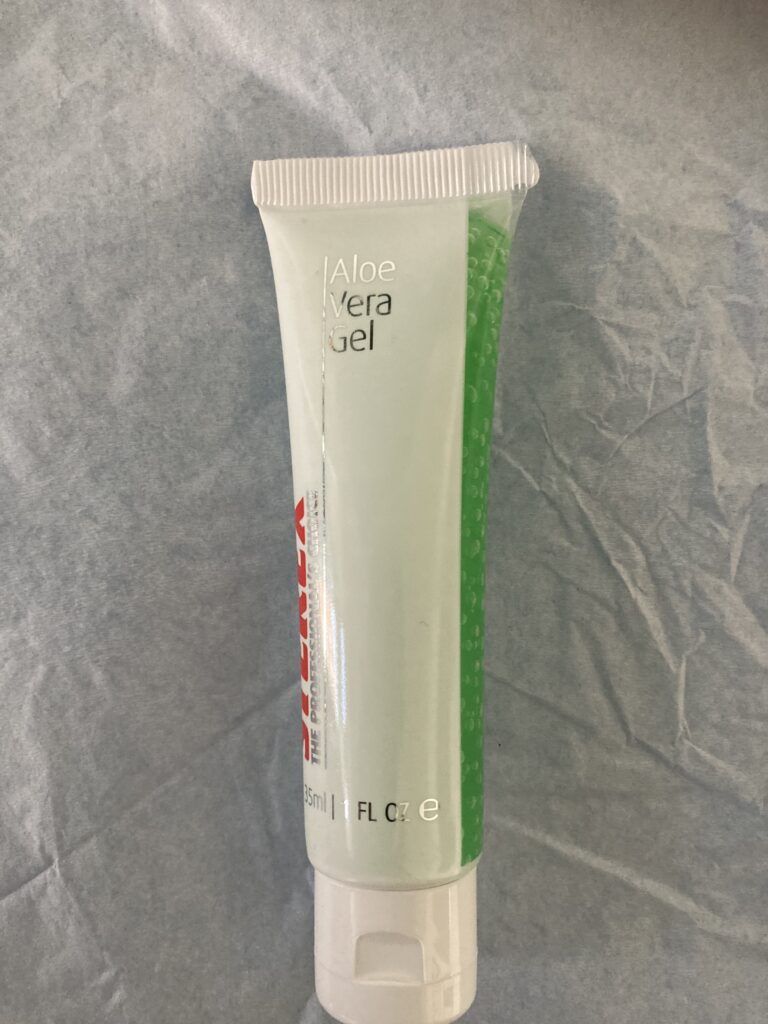
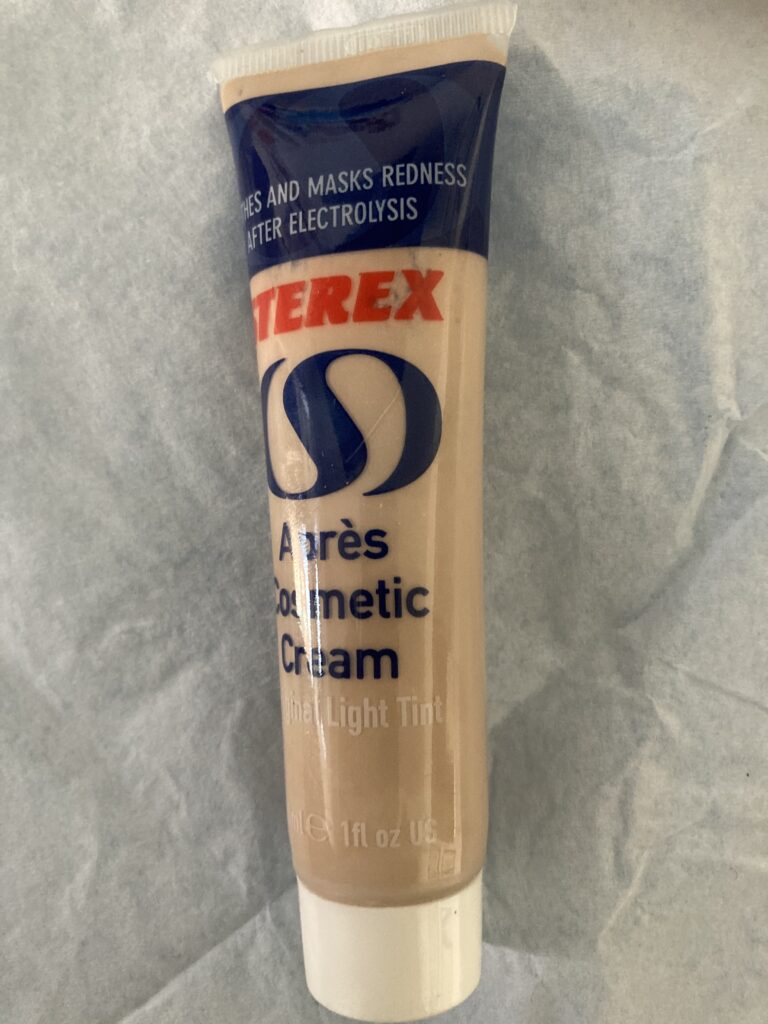
- We usually recommend using a witch hazel gel for the first 24-48 hours, followed by a Sterex aloe vera gel twice a day for 28 days. A Sterex cosmetic cream clear can be used instead of the witch hazel gel for extra antibacterial benefits.
- After 48 hours, you can gently wash the area with a mild, soap-free cleanser. Pat it dry gently with disposable towels or tissues if possible.
- Avoid swimming, saunas, steam rooms, facial steaming, exfoliation, scrubs, waxing, and other beauty treatments until the area is completely healed.
- Depending on where the cyst was, try to avoid direct sun exposure during healing.
- Avoid using any products that might irritate your skin, such as perfumes, fake tan, and perfumed body lotions.
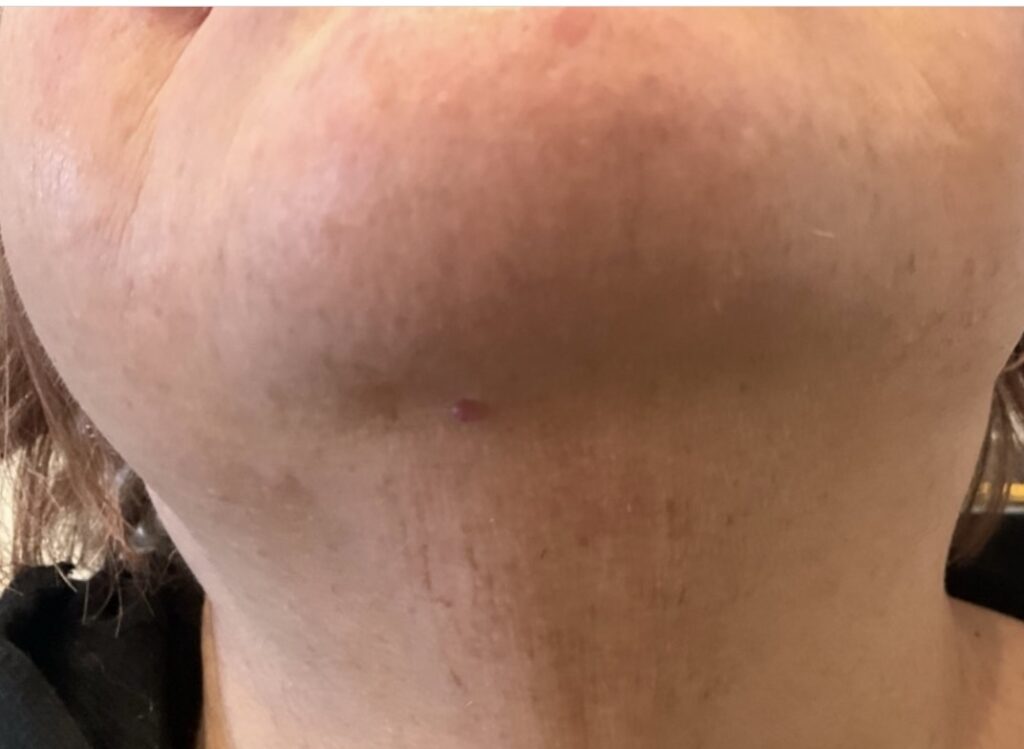
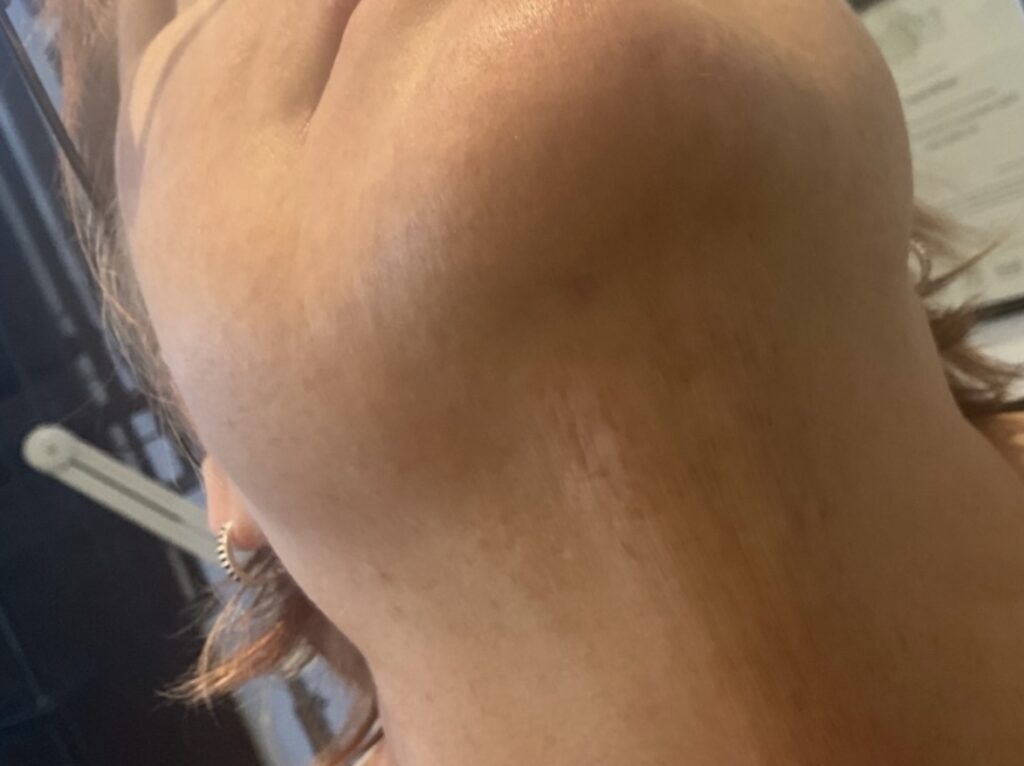
Before and one month after treatment from this clinic (images share with client permission)