What are milia?
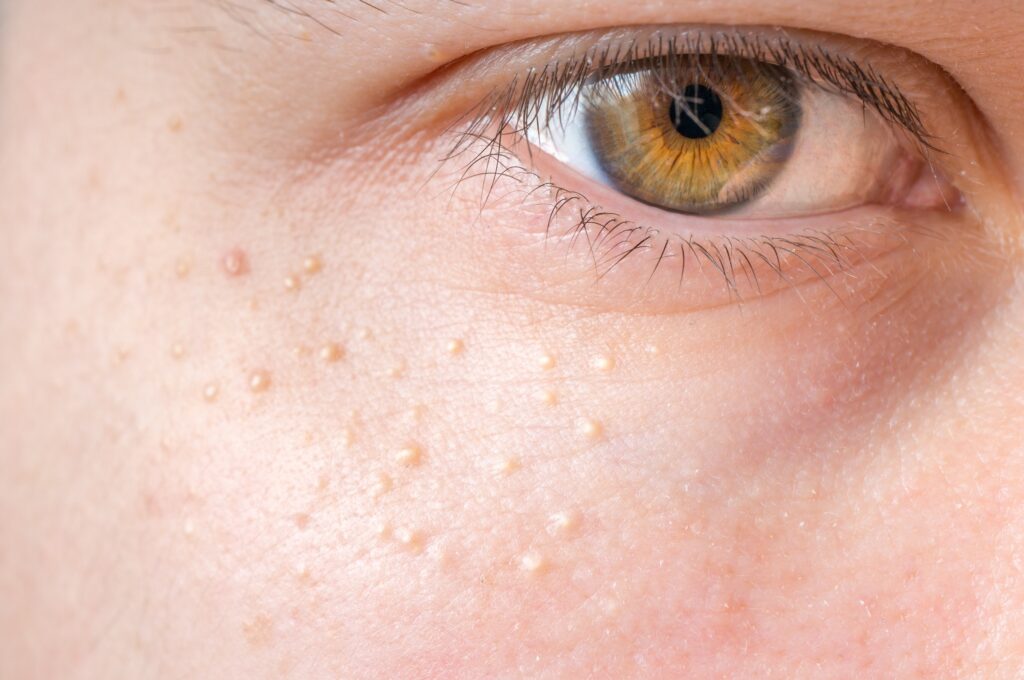
A milium (singular) is a small, pearly white bump just under the surface of the skin. It is a harmless cyst which is less than 3mm in diameter. They usually occur in multiples, when they are known as milia (plural).
They are common in all ages and genders, and they form when the protein keratin is trapped under the epidermis (outer layer of the skin). They are most commonly found on the face and are particularly prominent in areas of fine skin.
They tend to be seen in groups around the eyelids, cheeks, forehead and nose, but can happen elsewhere on the body.
When they are new, they tend to be softer than when they have been present for a long time.
What is associated with milia?
They tend to occur with dry skin, or a build up of excess skin cells that then trap sebum.
Dry skin can be inherited or caused by a range of environmental reasons such as temperature, weather (e.g.windy climate) . Milia are also linked with the use of products on the face which are too rich, strong, abrasive or unsuitable for the skin type. Similarly the use of certain types of sunscreen has also been thought to contribute. However, some research shows that lack of sun exposure can also contribute. Physical sunscreens containing zinc and titanium dioxide are generally acknowledged as non-irritating and non-comedogenic.
Excessive vitamin C consumption is also thought to be an associated cause.
Milia Removal via Diathermy / Advanced Electrolysis
Milia sit close to the skin’s surface and can be effectively reduced using diathermy (advanced electrolysis), which delivers targeted heat through a fine needle.
Milia sit close to the skin’s surface and can be effectively reduced using diathermy (advanced electrolysis), which delivers targeted heat through a fine needle.
Approach: Skin Health First
This clinic does not offer a “clip and go” service. Because electrolysis applies concentrated heat to the skin, treatment will only proceed when your skin barrier is healthy, resilient, and fully prepared. Pre-conditioning the skin significantly lowers the risk of complications such as scarring, textural changes, or post-inflammatory hyperpigmentation.
What to Expect
1. Initial Virtual Assessment: Every treatment journey begins with an online consultation to confirm that it is milia (other skin lesions can have a similar appearance) review your health history, assess your current skincare regime, and establish an effective homecare baseline. It is important that you send in good quality make up free photographs. Having this online assessment does not guarantee that treatment will take place and the appointment is not refundable
2. Patch Testing & Initial Treatment: Older or larger milia can be more resilient. During your first in-clinic session, we treat a small test area first to observe how your skin responds. You will be provided with aftercare products as part of the initial appointment.
3. Gradual Removal Plan: If milia are widespread or densely clustered, we take a phased approach to gradually thin them out over time. Larger milia may require repeated treatments. Treatments are offered per 15 minutes.
Comprehensive Management Options
Dry skin is a common underlying factor in milia formation, so optimizing your daily skincare is key. Depending on the extent of your milia, your plan may also incorporate prescription-strength topical retinoids (as over-the-counter formulas are often insufficient), medical chemical peels, or microdermabrasion
How many treatments are needed?
This will depend on the size and texture of the milia.
Treatments are usually done in 20 minute sessions.
At the first treatment you may just have a test area treated – in which case you will be asked to return to complete the treatment.
If the milia are multiple and very close together, treatments should be spaced out over several sessions. A gradual thinning of milia is preferable to aid good healing processes and to provide the desired results. Although typically a very high success rate can be achieved, some larger milia may require subsequent treatments and it is important to understand that follow up appointments in 4 weeks are sometimes required.
Milia can re-form.
What does the treatment feel like?
The sensation will depend on the size, position and depth of the milia and your individual sensitivity.
Sometimes a popping sensation may be heard. You may need to take a break during the procedure to recompose yourself. The area around the eye is likely to be more sensitive

Who is electrolysis not suitable for?
Conditions that may prevent treatment include: haemophilia, pacemakers (written evidence from the manufacturer), cochlear implant (written evidence from the manufacturer), keloid scarring.
Conditions that may restrict treatment: AIDS/HIV, asthma, bacteril infections, blood thinning medication, cancer, circulatory disorders, dermabrasion (wait a minumum of 1 month), dermographic skin condition, pregnancy, dermabrasion (wait 1 month), diabetes. dysmorphia, epilepsy, Fitzptrick skin types 4/5/6, heart conditions, hepatitis, high blood pressure, laser treatment (wait a minumum of 2 weeks), nercous, phlebitis/thrombosis in the area to be treated, recent scar tissue in the area to be treated, rosace in the area to be treated, suburned skin, swelling
After the electrolysis treatment
There is likely to be swelling in the area.
Immediately afterwards the milia may become more pronounced, appearing to ‘whiten’. Sometimes they may reduce in size and can flatten at the time of the treatment.
Immediately after the treatment cold aloe vera gel on cold, wet cotton pads will be left on the area for 5-10 minutes or longer if needed.
Healing crusts may appear in the treated area after the treatment. These should be allowed to dry and slough off naturally.
For the first 48 hours after the treatment it is vital to use gentle products, ideally with soothing, healing and antibacterial properties. The treatment area must be kept clean, and it is really imortant to not touch or pick the area, avoid heat and use sun protection.
Skin care for long term skin health
For best results, a combined approach is needed combining skin care at home with diathermy is needed. Treating the individual milia with diathermy will not stop new milia forming.
You should select a cleanser appropriate for your skin’s needs. The main issues likely with milia are dry skin or skin that needs exfoliating. A skin care regime will be discussed with you to help to optimise your skin’s health.
Night time skin care containing retinoids could be considered (excluding pregnancy and breastfeeding)
Non comedogenic sunscreen wll also help.
Complementary treatments
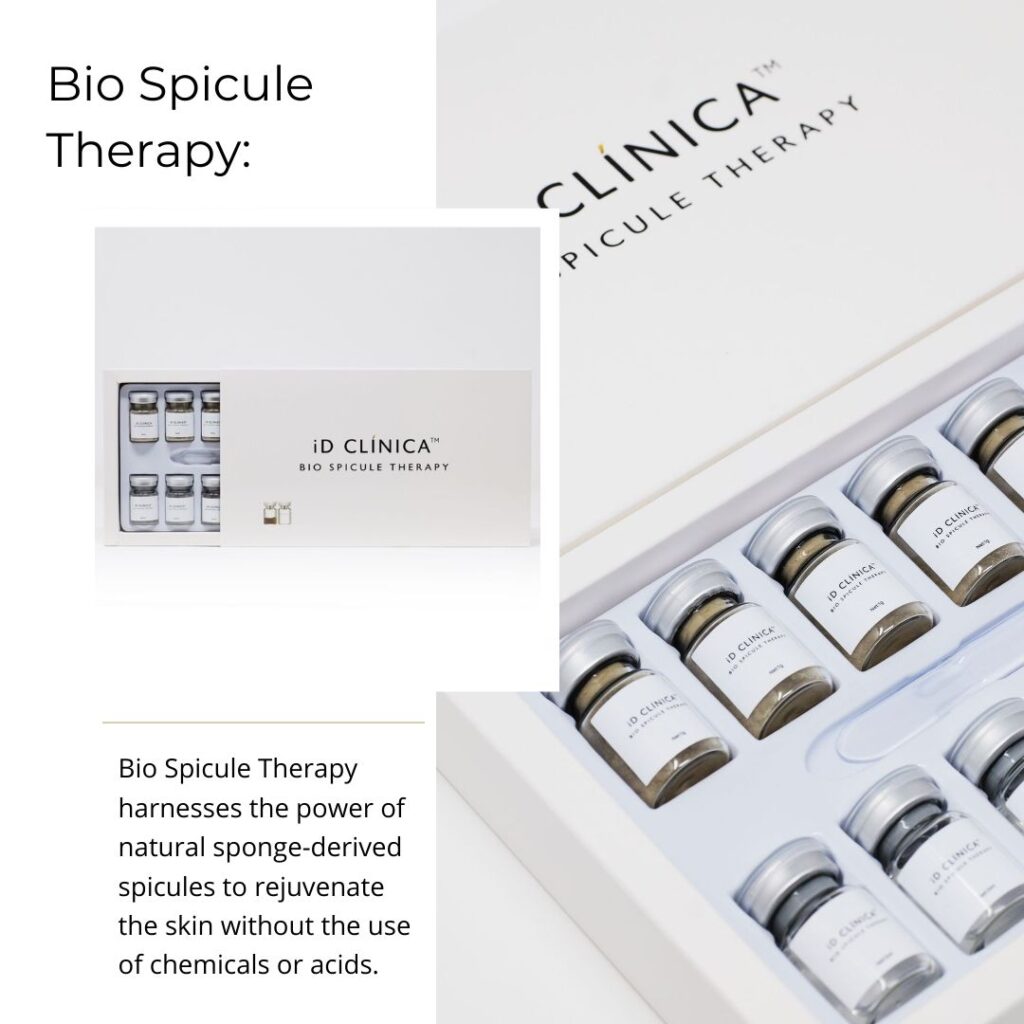
Bio-spicules are microscopic, needle-like structures derived from marine sponges (often Spongilla lacustris). When applied to the skin, they act like a natural microneedling system without the mechanical trauma of a roller. They could be used before or after diathemy.
How they assist Diathermy:
-
Enhanced Exfoliation: Milia are essentially entrapped keratin. Bio-spicules stimulate a “peeling” effect from the inside out, helping the skin shed the remaining keratin fragments that the diathermy treatment loosened.
-
Pathway Creation: The spicules create micro-channels in the epidermis. This allows any post-treatment topicals (like retinoids or calming serums) to penetrate much deeper than they would on untreated skin.
-
Increased Cell Turnover: Bio-spicules stay in the skin for 24–72 hours, tricking the body into thinking there is a “foreign object.” This triggers a massive rush of blood flow and collagen production, ensuring the “holes” left by diathermy heal smoothly and quickly.
-
Prevention: By resurfacing the skin texture, bio-spicules help prevent the buildup of new keratin plugs in the areas adjacent to where the diathermy was performed.
Polynucleotides
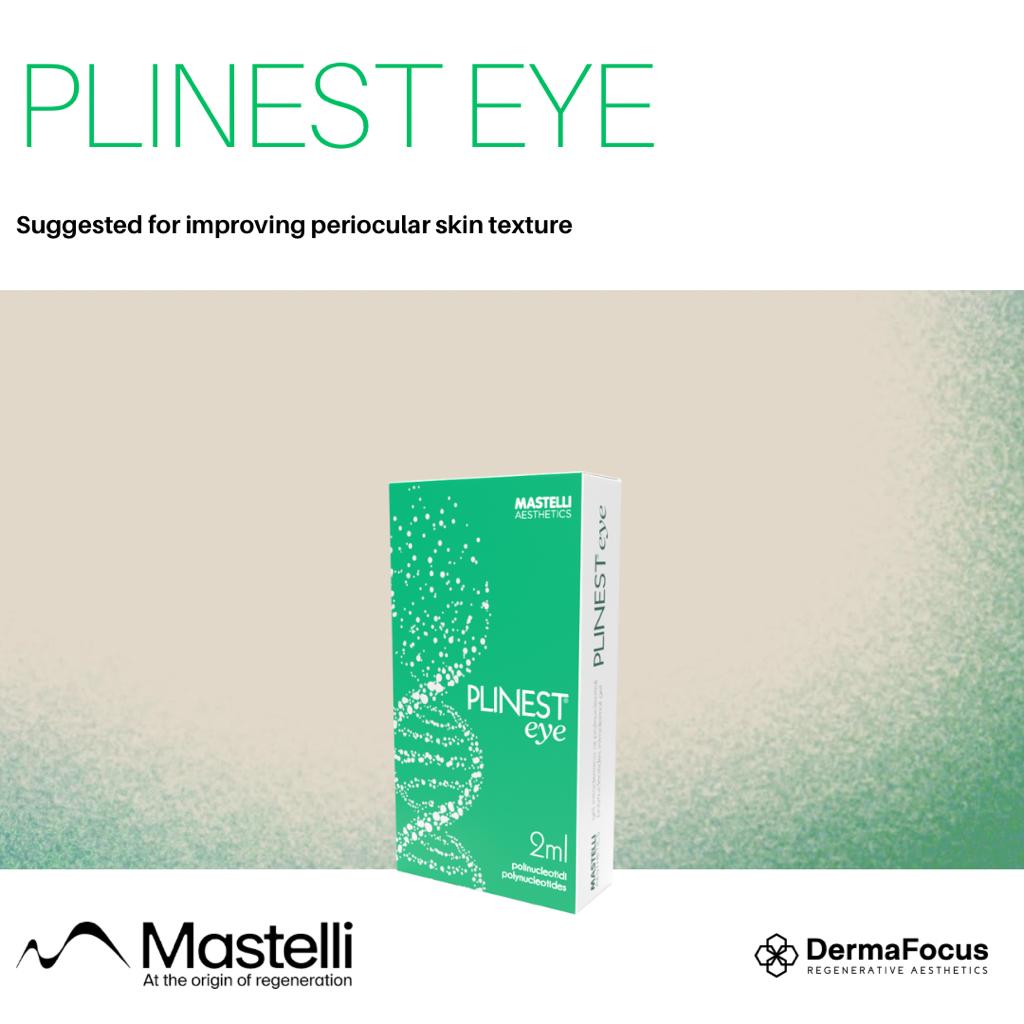
Why Consider Polynucleotides for Milia Around the Eyes?
The skin around the eyes is the thinnest on the body and particularly sensitive to dryness and irritation—two common factors involved in milia formation.
While thermal procedures like advanced electrolysis address individual milia, polynucleotides work beneath the surface to improve overall tissue health:
Restores Skin Barrier Function: Hydrates deeply without heavy, pore-clogging topicals.
Encourages Cell Renewal: Promotes healthier skin turnover to reduce future congestion.
Calms & Heals: Provides potent anti-inflammatory support before or after lesion removal.
Strengthens Delicate Tissue: Densifies thin periocular skin, enhancing resilience and elasticity.
By pairing targeted milia removal with regenerative polynucleotide therapy, we treat not just the visible lesion, but the health and quality of the surrounding skin.
WOW fusion PDRN + B3
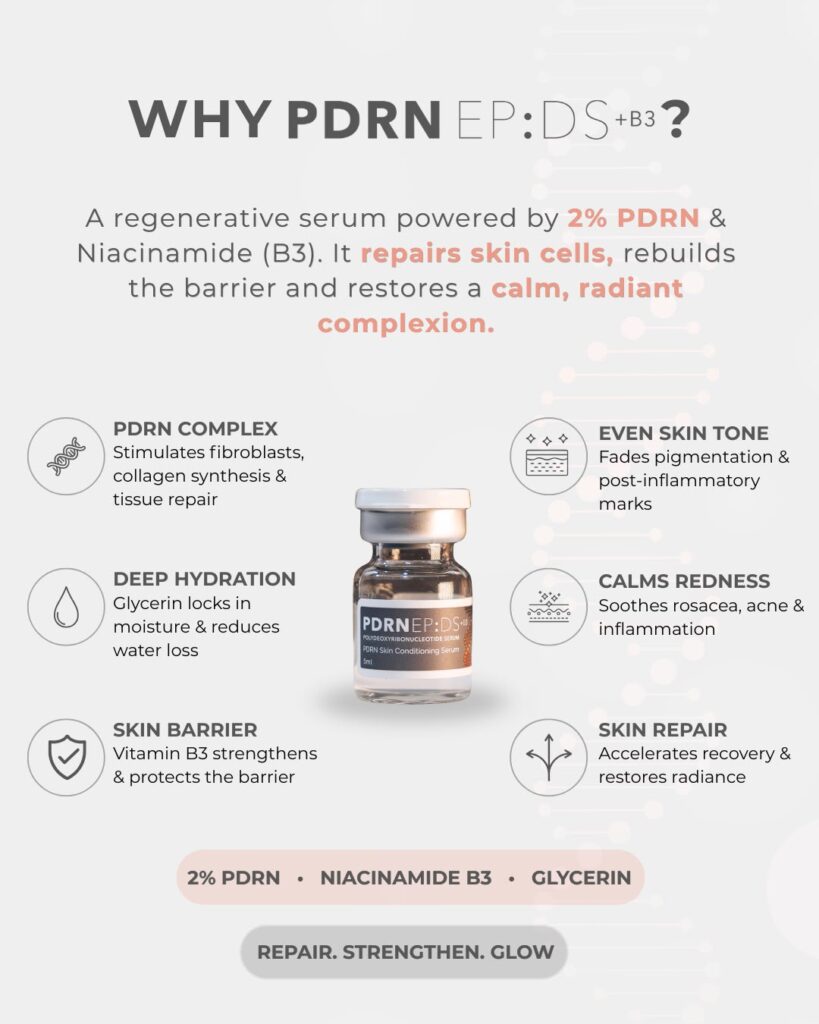
Why Consider WOW Fusion PDRN + B3 for Milia Around the Eyes?
The delicate skin around the eyes requires special care when managing milia. While thermal treatments like advanced electrolysis focus on removing individual spots, WOW Fusion PDRN + B3 provides regenerative support to optimize the surrounding skin:
-
Polydeoxyribonucleotide (PDRN): Promotes deep cellular renewal, strengthens thin periocular tissue, and accelerates healing.
-
Niacinamide (Vitamin B3): Calms inflammation, reinforces the skin barrier, and helps to guard against post-treatment pigment changes (PIH).
-
Lightweight Micro-Channeling: Delivers essential regenerative actives directly where needed, hydrating dry eye skin without heavy, pore-blocking creams.
-
Improves Skin Resilience: Pre-conditions delicate skin so it heals smoothly and helps to resist future lesion formation.
By pairing precise milia removal with WOW Fusion PDRN + B3, we treat both the visible lesion and the underlying skin health for a clearer, smoother periocular area.