
Electrolysis is the only method for permanent hair removal, but because it involves inserting a fine probe into the hair follicle and applying heat or chemical energy.
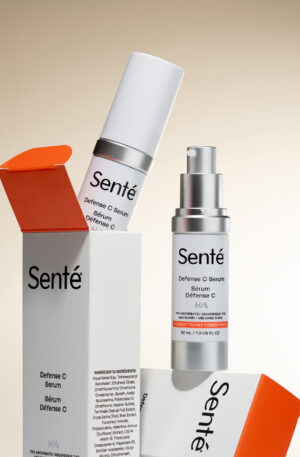
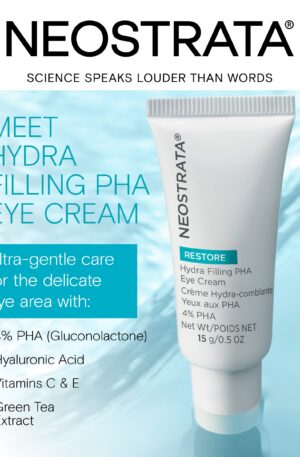
The process causes a controlled “micro-injury” to the skin. Risks include hyperpigmentation following electrolysis. To reduce the chance of this you are recommended a skincare regime before starting this treatment.
Why the Risk Exists
Hyperpigmentation following electrolysis is typically Post-Inflammatory Hyperpigmentation (PIH). It’s essentially your skin’s “defense mode” kicking into gear.
- The Inflammatory Response: When the follicle is treated, the body sends white blood cells to repair the area. This inflammation signals melanocytes (pigment-producing cells) to speed up production.
- Melanin Overload: In response to the heat or chemical “trauma,” these melanocytes dump extra melanin into the surrounding tissue, leaving behind tan, brown, or purple spots.
- Healing Phase: Usually, this is temporary and fades as the skin cells turnover, but if the treatment is too aggressive or the skin isn’t protected afterward, it can linger. The settings used will be for the minimum effective to remove hair
Who is More Likely to Experience It?
While both oily skin and skin of colour have unique challenges, skin of colour is significantly more prone to hyperpigmentation.
1. Skin of Colour (High Risk)
People with deeper skin tones (Fitzpatrick scales IV–VI) have more active melanocytes.
- The “Trigger-Happy” Effect: In darker skin, the melanocytes react much more intensely to any form of trauma. Even a perfectly executed electrolysis session can trigger PIH simply because the skin is biologically programmed to produce more pigment when stressed.
2. Oily Skin (Secondary Risk)
Oily skin doesn’t inherently produce more pigment, but it presents different hurdles:
- Slower Healing: Excess sebum can sometimes lead to localized breakouts or clogged pores post-treatment, which adds new inflammation on top of the electrolysis site.
- Product Sensitivity: Oily-skinned individuals might use harsh exfoliants (like salicylic acid) that can make the skin more sensitive to the heat of the probe.
Women with polycystic ovarian syndrome will often have acne or oily skin as well as excess unwanted hair, so will need to consider either starting a programme of professional grade skincare to optimise skin health at home, or start a programme of clinic treatments to help to prepare the skin for electrolysis hair removal. Treatment programmes can be paused and restarted as needed.